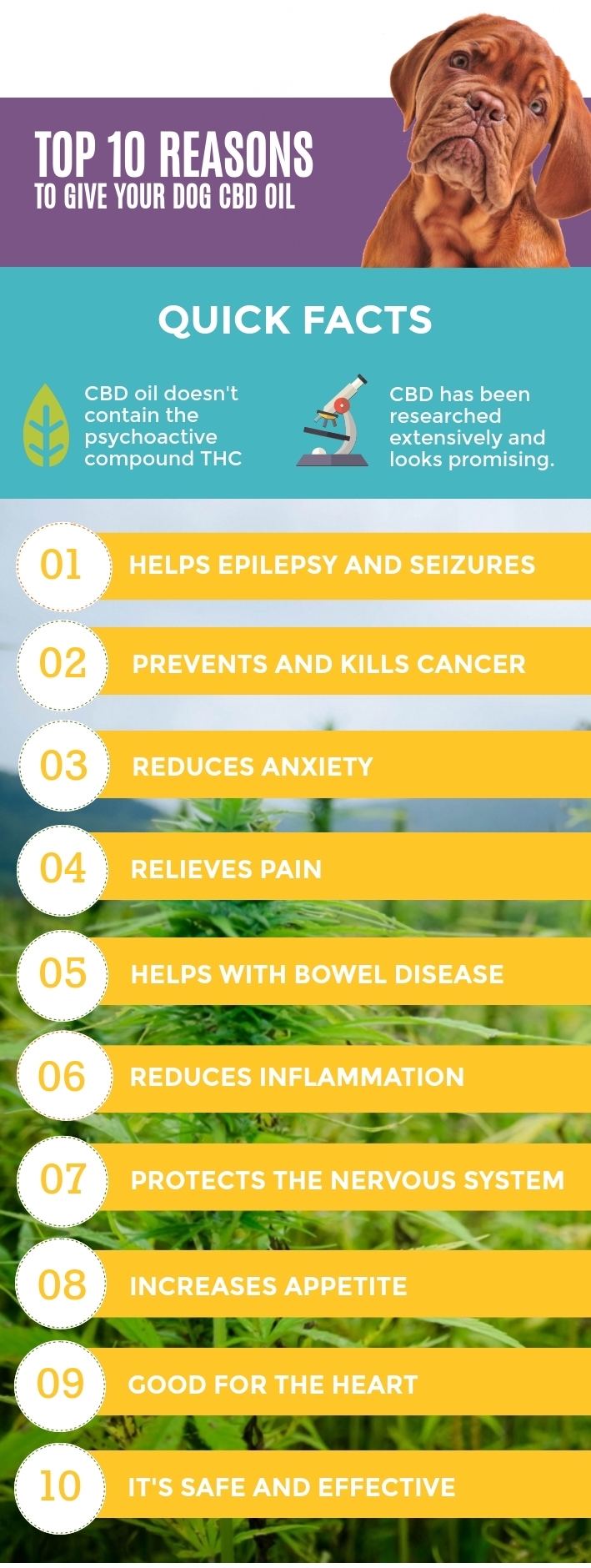
While we explore the intricacies of contemporary living, numerous people find comfort in the therapeutic advantages of CBD. CBD oil, an extract from the hemp plant, has seen popularity for its holistic properties that can promote overall health. Ranging from boosting general well-being to addressing specific health concerns, CBD has emerged as a valuable resource in culinary practices, where culinary creativity meets self-care.
This article will examine the various facets of CBD and how it can improve well-being, particularly for women’s health. Including recipes designed for chronic pelvic discomfort to innovative uses like CBD insertable forms, we intend to offer a thorough resource that enables you to take advantage of the therapeutic effects of cannabis compounds. Whether you are looking to align your wellness goals with CBD or investigate its uses for self-care among men, we will delve into the underlying research on cannabinoids and how they affect on conditions such as painful intercourse and chronic pain. Come along as we infuse wellness into the kitchen and adopt the benefits of CBD in daily living.
Cannabidiol and Women's Health
Cannabidiol, or cannabidiol, has gained interest for its possible advantages in aiding the health of women. Many women experience distinct health issues, including menstrual pain, long-term pelvic pain, and multiple stress factors that can impact overall health. Research suggests that CBD may offer a safe substitute for managing these issues, as it engages with the body's cannabinoid system to promote homeostasis and alleviate discomfort.
For women suffering from chronic pelvic pain, cannabidiol has emerged as a valuable alternative. Evidence suggests that cannabidiol can help reduce inflammation and pain, possibly offering relief for conditions like adenomyosis or pelvic tension. Furthermore, the use of cannabidiol suppositories specifically designed for relief from pelvic discomfort may improve absorption and efficacy, offering focused comfort for those in need. This targeted strategy not only alleviates discomfort but also supports overall women's reproductive health.
In addition to physical health, CBD can contribute to emotional health. Many women find themselves balancing different roles and responsibilities, which can lead to increased pressure and anxiety. Integrating cannabidiol into self-care routines may help in coping with these feelings, promoting relaxation and cognitive clarity. Whether through cooking with oils infused with CBD or enjoying edibles containing CBD, women can explore creative ways to incorporate this effective compound into their health plans.
Wellness Objectives using CBD
Incorporating CBD into daily wellness practices may help individuals align with their health goals, presenting a natural approach to improve well-being. A lot of people are finding the potential of CBD to encourage relaxation, improve sleep quality, and assist overall mental clarity. This flexibility makes it a meaningful addition to self-care routines, whether through tinctures, edibles, or topical applications. By setting clear wellness goals, individuals can tailor their CBD use to assist in attaining enhanced focus and tranquility.
For women, CBD brings unique benefits that can complement health needs, such as managing stress and menstrual discomfort. gentle pelvic wellness support are gradually turning to CBD-infused products to aid alleviate symptoms related to menstrual cycles, including cramps and mood fluctuations. Through incorporating CBD into their wellness practices, women can experience more balanced mood and physical comfort, supporting their overall health journey.
Men can also leverage the advantages of CBD in their self-care plans. From post-workout recovery to stress management, CBD can help in alleviating muscle soreness and encouraging relaxation after a long day. Through focusing on personal wellness goals, men can include CBD products that function best for their needs, regardless of whether through oils, capsules, or balms, to enhance their physical and mental well-being. This approach promotes a holistic mindset toward health, inspiring men to make a priority self-care in an constantly busy world.
Cannabidiol for Relieving Chronic Pain
Persistent pain affects millions of people and can significantly impact everyday activities, making it difficult to engage in normal activities. Cannabidiol has emerged as a potential therapeutic option for relieving chronic pain due to its engagement with the body’s endocannabinoid network. This system plays a critical role in controlling pain perception, inflammation, and immune responses. By adjusting these pathways, CBD may help to diminish pain signals, providing comfort for those suffering from conditions such as arthritis, fibromyalgia, and lumbar pain.
For women experiencing chronic pelvic pain, Cannabidiol offers a holistic alternative to traditional pain management methods. Research suggests that cannabidiol can help reduce inflammation, which is often a major factor to pelvic pain. Moreover, just click the next article have gained popularity as a direct approach, delivering the benefits of cannabidiol directly to the painful site. This method not only promotes localized relief but also minimizes systemic side effects that may arise from oral consumption.
Additionally, CBD is being explored for its efficacy in addressing painful intercourse, a condition that can be both physically and mentally distressing. By alleviating discomfort and lessening anxiety associated with intimacy, Cannabidiol may enhance sexual wellness and improve life quality. As more studies highlight the positive impact of CBD on chronic pain, it becomes clear that incorporating this cannabinoid into self-care routines can support lasting relief and improved wellness.
The Science of Cannabinoids
Cannabinoids are a set of compounds extracted in the cannabis plant that work with the body's endocannabinoid system. This system plays a key role in controlling various physiological processes, including discomfort, mood, and swelling. The chief cannabinoids, tetrahydrocannabinol and CBD, have distinct effects; THC is affecting the mind while cannabidiol is not mind-altering, making it an attractive choice for those looking for therapeutic benefits without the euphoria associated with THC. Research has shown that CBD can modulate pain perceptions, reduce inflammation, and encourage relaxation, providing a organic approach to health.
The relationship between cannabinoids and the body's receptors is complicated. cannabidiol primarily works with CB1 and CB2 receptors through indirect means, shaping their activity and encouraging balance in the endocannabinoid network. This relationship can possibly relieve long-term discomfort, reduce anxiety, and boost overall well-being. Studies have demonstrated the success of CBD in managing conditions such as chronic pelvic pain and dyspareunia, particularly through creative administration routes like rectal inserts, which can offer specific relief.
As research continues to advance, the possible applications of cannabis compounds, particularly cannabidiol, in the health of women and self-care practices are growing recognized. Grasping the science behind these substances empowers individuals to make knowledgeable choices regarding their wellness goals. Whether it is controlling long-term discomfort or improving personal care practices, the therapeutic properties of cannabis compounds open fresh pathways to wellness and healing in the kitchen and elsewhere.